Eleanor of Aquitaine and French Wine: How a Queen Shaped the History of French Vineyards
Eleanor of Aquitaine and French Wine: How a Queen Shaped the History of French Vineyards
Sometimes life forces us to slow down. And sometimes, slowing down leads to unexpected discoveries.
During my convalescence, while life at Domaine des Oullières carried on in the vineyards, I finally found the time to begin a project I had postponed for years: exploring my family history.
I expected to discover Provençal farmers, craftsmen and perhaps a few winegrowers. After all, families in wine regions have often been connected to the land for generations.
But as my research progressed, I stumbled upon an unexpected surprise: some branches of my family tree led all the way back to Eleanor of Aquitaine.
Before anyone starts calling me “Your Majesty”, I should immediately point out two things.
First, discovering such a connection does not make me royalty. Second, millions of Europeans are likely descended from Eleanor of Aquitaine. After nearly nine centuries, family trees have a habit of intertwining.
So no, I shall not be claiming the English throne any time soon.
What fascinated me most, however, was not the genealogical discovery itself. It was Eleanor’s remarkable connection with the history of French wine.
Because beyond crowns and castles, Eleanor of Aquitaine helped shape the development of some of France’s most famous vineyards.
Who was Eleanor of Aquitaine?
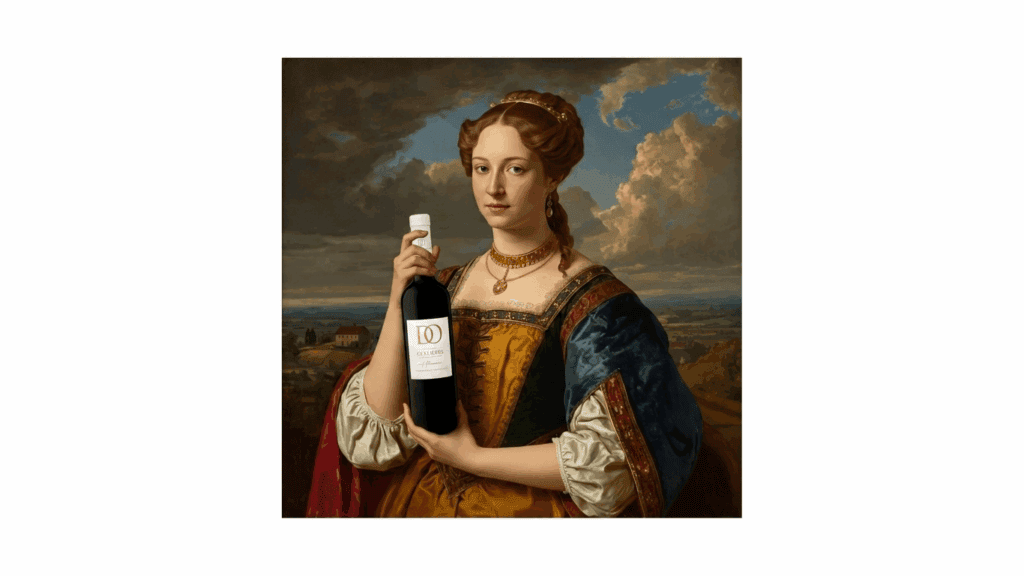
Born around 1122, Eleanor of Aquitaine was one of the most influential women of the Middle Ages.
As Duchess of Aquitaine, she inherited one of the wealthiest territories in Europe. She first became Queen of France through her marriage to Louis VII, before later becoming Queen of England after marrying Henry II Plantagenet.
She was also the mother of Richard the Lionheart and played a major role in politics, diplomacy and culture during a period largely dominated by men.
Her influence extended far beyond royal courts and dynasties.
Her story also left a lasting mark on the history of French wine.
Eleanor of Aquitaine and French wine: a turning point in wine history
When Eleanor married Henry II in 1152, Aquitaine came under English rule. This political alliance had major consequences for the wine trade.
Wine had already been produced in the Bordeaux region for centuries, but access to the English market transformed its future.
Large quantities of wine crossed the Channel. Trade routes expanded. Ports flourished. Merchants prospered.
England quickly became one of the principal markets for wines from Aquitaine.
Many historians consider this period to be one of the foundations of the international French wine trade.
Long before appellations, classifications and wine guides existed, Bordeaux wines were already travelling across Europe.
Of course, Eleanor herself never pruned vines or supervised a harvest. Yet her political influence created the conditions that allowed French wine to thrive internationally.
It turns out that history can shape vineyards almost as much as climate and terroir.
The rise of Aquitaine wines in the Middle Ages
The success of Aquitaine wines was not solely due to their quality. Geography played a key role.
The Garonne River and Atlantic ports provided easy access to maritime trade routes linking France with England and Northern Europe.
As wine exports expanded, cities prospered and viticultural expertise developed further.
Wine became far more than a drink. It became a major economic and cultural asset.
This reminds us that the history of French wine is not only about grape varieties and terroirs. It is also about trade, travel and human connections.
The history of French wine is a story of transmission
Working in a family wine estate teaches us that wine is always about the long term.
A vineyard takes years to reveal its full potential.
A wine estate is built over generations.
Knowledge and expertise are passed down slowly, harvest after harvest.
At Domaine des Oullières, this idea of transmission lies at the heart of our work.
Every season reminds us that we are merely temporary guardians of a living heritage.
We inherit the work of previous generations while preparing the future for the next.
Perhaps this is what touched me most during my genealogical research.
Behind kings and queens stand countless families who cultivated land, shared knowledge and shaped the landscapes we know today.
French wine heritage: a living treasure
France possesses one of the richest wine heritages in the world.
From Provence to Burgundy, from Bordeaux to the Rhône Valley, every wine region tells its own story.
French wines reflect not only their terroirs but also the people and traditions behind them.
Wine heritage is alive in family estates, villages, vineyards and landscapes shaped by centuries of work.
Wine is far more than an agricultural product.
It is culture.
It accompanies celebrations and family meals.
It brings people together.
And it carries a part of our shared history.
Wine in Provence: a tradition that lives on
Wine has been produced in Provence for more than two thousand years. Greeks and Romans both played a major role in developing Mediterranean vineyards.
Today, this tradition continues in family estates across the region.
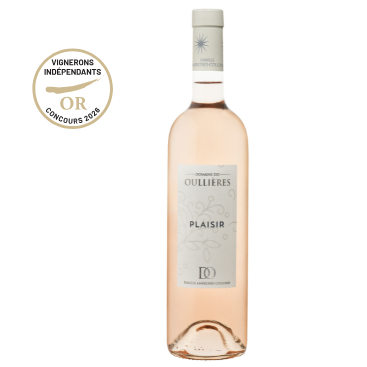
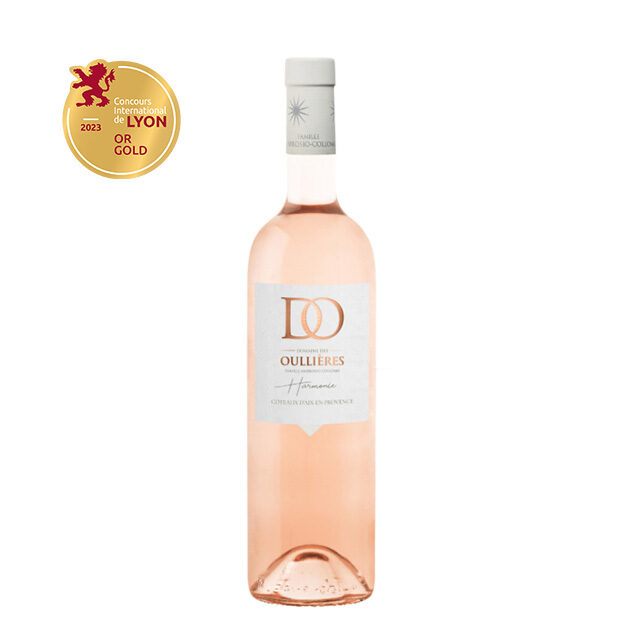
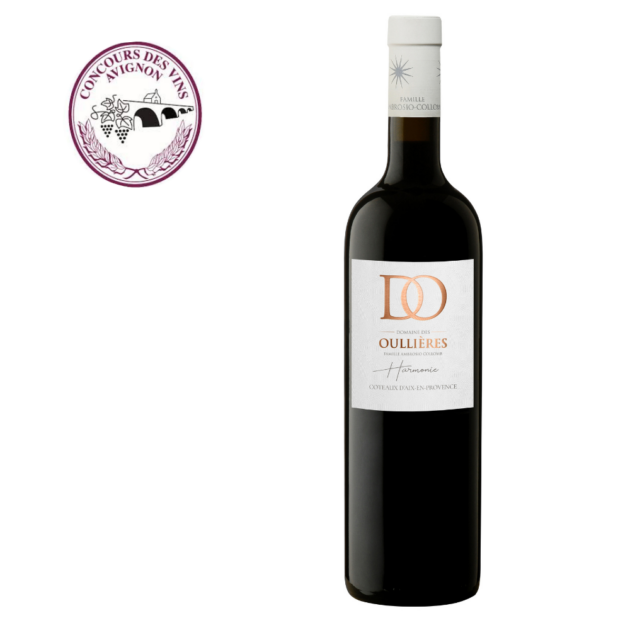
At Domaine des Oullières, we strive to produce wines that reflect both our Provençal terroir and our family history.
Each vintage represents a balance between heritage and innovation.
We believe wine is, above all, about sharing.
The finest destiny of a bottle is not to remain in a cellar.
It is to be opened around a table with friends and family.
When genealogy meets the vineyard
As I explored my family tree, I realised that genealogy and viticulture speak the same language.
Both are rooted in time.
Both are rooted in transmission.
Both are rooted in generations.
And both occasionally hold a few surprises.
Discovering a distant link with Eleanor of Aquitaine certainly does not change the taste of our wines. I can confirm that our bottles did not suddenly become royal during my convalescence.
But this discovery reminded me that the history of French wine is deeply connected to the women and men who shaped it over centuries.
At Domaine des Oullières, we are proud to play our small part in that continuing story through our vineyards, our wines and our passion for sharing them.
And if you happen to discover a queen or knight in your own family tree one day, do come and tell us over a glass of wine.
After all, the best stories often begin with a bottle.