Provence Red Wine
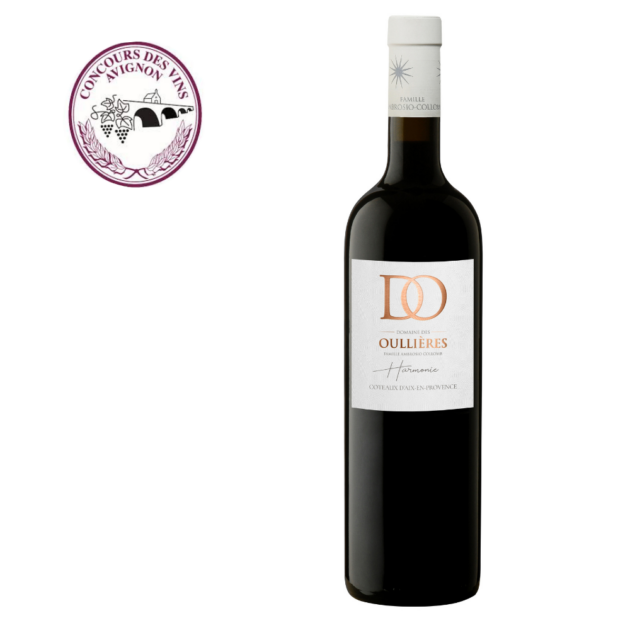
Provence red wine holds a distinctive place within the French wine landscape. Often overshadowed by the international reputation of Provence rosé, it nevertheless expresses a strong identity rooted in Mediterranean terroir and climate. Red wines from Provence are defined by balance, controlled freshness and a clear expression of their origin.
Understanding Provence red wine means moving beyond common misconceptions. These are not heavy or excessive wines. They are wines of character, built on finesse, structure and aromatic precision. Their style results from a subtle balance between sunshine, soils, grape varieties and the winemaker’s expertise.
The Provençal vineyard benefits from remarkable terroir diversity. Limestone, clay-limestone and stony soils, varied exposures and both maritime and inland influences all play a decisive role in shaping Provence red wines. Cooler areas bring tension and elegance, while warmer zones offer depth and ripe expression.
The main grape varieties used in Provence red wine are Grenache, Syrah, Mourvèdre and Cinsault. Grenache contributes roundness and generous fruit. Syrah structures the wine and enhances spicy and peppery notes. Mourvèdre adds complexity and ageing potential. Cinsault, more discreet, brings softness and finesse.
Blending is a key step in crafting Provence red wine. It allows the winemaker to fine-tune the balance between fruit, structure and freshness while respecting the identity of the terroir. Each cuvée is the result of deliberate choices rather than chance.
Winemaking for Provence red wines is driven by a constant search for precision. Grapes are harvested at optimal ripeness to preserve fruit expression and natural balance. Maceration extracts colour, aromas and tannins, with duration adapted to the desired style. Some cuvées favour carbonic or semi-carbonic maceration to highlight fruit and freshness, while others follow more traditional extraction methods.
Ageing also plays an essential role. Depending on the cuvée, it may take place in stainless steel tanks to preserve purity of fruit, or in oak barrels to add complexity, depth and structure. The aim is never to overpower the wine, but to guide its evolution.
Provence red wine styles are diverse. Some are supple, fruity and approachable, ideal for early drinking. Others are more structured, offering greater depth and ageing potential. All share a common pursuit of balance and drinkability, hallmarks of great Mediterranean wines.
Provence red wine pairs naturally with a wide range of dishes. It complements grilled meats, slow-cooked recipes, Mediterranean cuisine, roasted vegetables and certain cheeses. Depending on its structure, it can also elevate more refined gastronomic dishes.
Choosing a quality Provence red wine relies on several indicators. Aromatic clarity, balance on the palate, fine tannins and stylistic coherence are reliable markers. The wine’s origin, the consistency of the estate and respect for terroir are equally important.
Provence red wine deserves attention. It reflects a vision of wine based on elegance, precision and authenticity. Behind each bottle lies careful work guided by the desire to produce sincere, expressive wines.