Wine from Provence. Understand and choose the right Provence wines
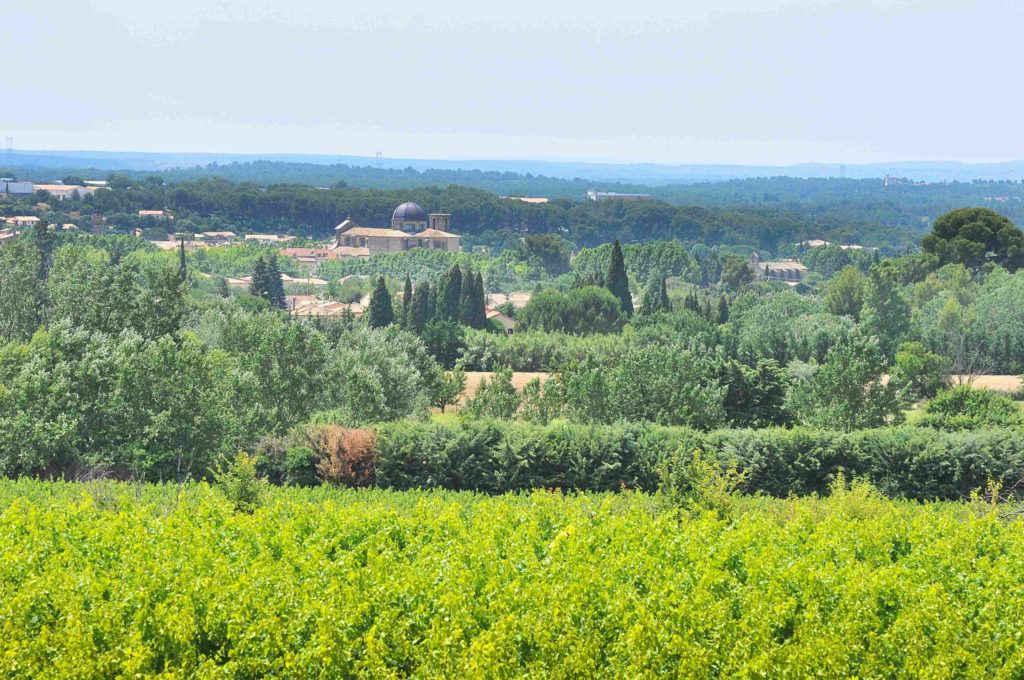
Wine from Provence often evokes sunshine, the Mediterranean and an easy way of life.
Yet it cannot be reduced to a colour or a season. Behind the name lies an old, structured and demanding wine region, shaped by terroirs and human choices.
Understanding Provence wine helps you choose more confidently.
And above all, enjoy it in the right context and at the right moment.
What is a wine from Provence
A Provence wine is produced in the south-east of France, in a region defined by sunshine, wind and a wide variety of soils. Vine growing has existed here since Antiquity, creating a deep-rooted knowledge of the land.
However, Provence is not stuck in the past. Over recent decades, the region has evolved significantly. Today, Provence wines are more precise, more balanced and easier to read. Yields are controlled and vineyard work is more rigorous.
As a result, modern Provence wine is a conscious choice. A wine designed to suit today’s lifestyles, from relaxed moments to refined dining.
The main wine areas of Provence
Provence is far from uniform. It is structured around several appellations, each with its own identity.
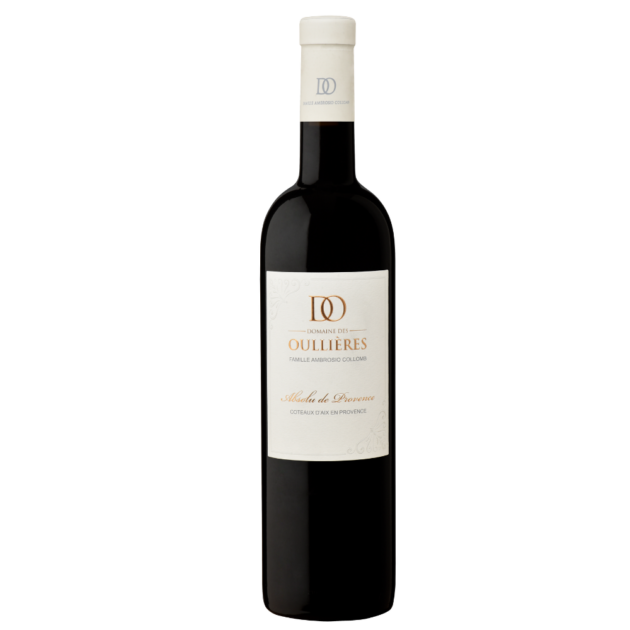
Coteaux d’Aix-en-Provence
Located in the western part of the region, this appellation benefits from a more contrasted climate. Summers are warm and ventilated, while nights remain cool. Limestone soils dominate. Winters are generaly dry and cold.
The wines are structured and precise. Rosés show depth, reds offer character and ageing potential, and whites are fresh and gastronomic.
Côtes de Provence
This is the largest appellation in Provence, covering a wide range of terroirs from the coast to inland areas.
This diversity explains the variety of styles. Rosés are often elegant and fresh. Whites and reds are gaining recognition thanks to increasingly demanding vineyard practices.
Coteaux Varois en Provence
Situated in the heart of Provence at a higher altitude, this appellation benefits from cooler nights and slower ripening.
The wines are balanced and precise. Rosés are crisp, whites expressive and reds elegant.
Styles of Provence wines
Provence is best known for rosé, but it also produces high-quality whites and reds.
Provence rosé wines
Provence rosés are wines in their own right. Their success is built on balance. Pale colour, fresh structure and clean finishes are essential.
Careful winemaking avoids heaviness. These rosés work just as well at aperitif as at the table.
Provence white wines
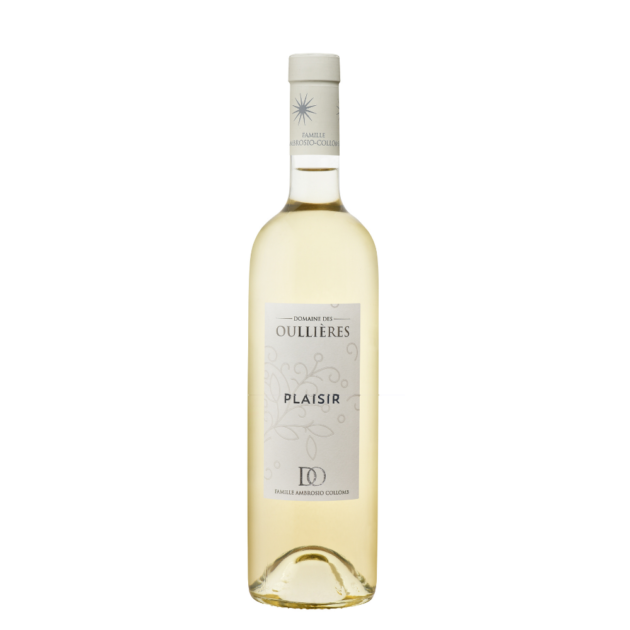
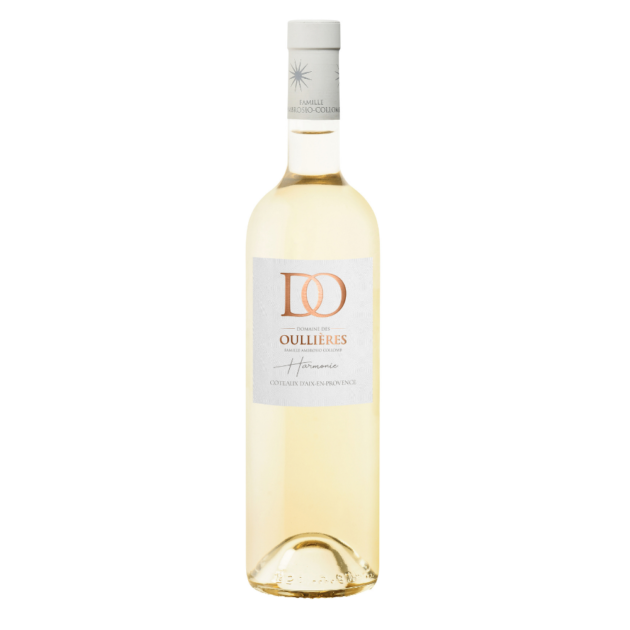
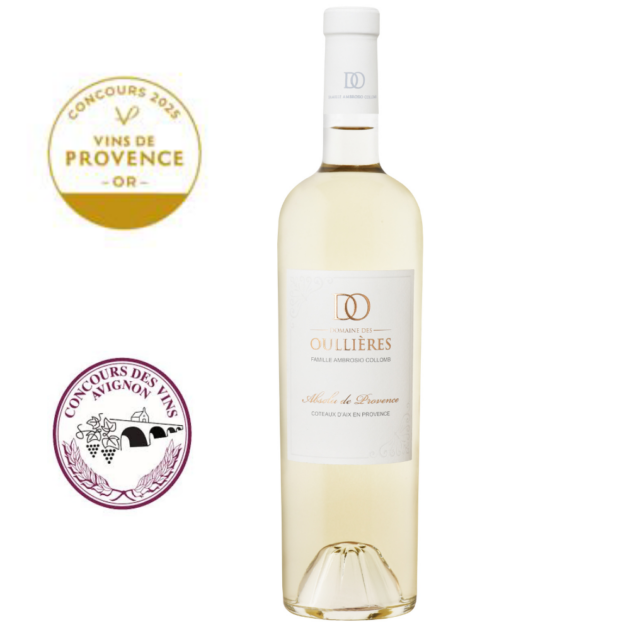
Less well known, Provence whites deserve attention. They offer freshness, tension and aromatic precision, making them excellent food wines.
They pair naturally with seafood, vegetables and light cuisine.
Provence red wines
Often underestimated, Provence reds show real personality. They are frequently marked by spice and garrigue, with balanced structure.
Some reds age very well and gain complexity over time.
Grape varieties in Provence
Provence works with grape varieties suited to its climate. The main ones include Grenache, Cinsault, Syrah, Caladoc and Rolle.
Each variety plays a specific role. Grenache brings fruit and roundness. Cinsault adds finesse. Syrah provides structure. Caladoc reinforces colour and aromatic intensity. Rolle adds freshness and elegance.
Blending is therefore a true craft, guided by terroir, vintage and intention.
How to choose a Provence wine
Choosing a Provence wine depends on context. There is no single rule.
For an aperitif, freshness is key. For a meal, structure matters more. Seasonality also plays a role, with lighter wines in summer and more complex profiles in winter.
Experience matters too. Beginners often seek clarity and balance, while experienced drinkers look for terroir expression.
Reading the label helps refine the choice. Appellation, vintage and producer provide valuable guidance.
How to taste a Provence wine
Tasting starts with serving temperature. Too cold and aromas are muted. Too warm and balance is lost.
Glassware also matters, as does the moment itself. Wines reveal themselves best when shared calmly.
Vintage and climate
Each vintage reflects a year. In Provence, climate strongly influences wine style. Sun, rainfall and wind all play a role.
Understanding the vintage helps appreciate nuance and anticipate ageing potential.
Provence wine today
Provence is clearly moving upmarket. Vineyard practices are more precise and respectful, and wines show greater identity and authenticity.
They appeal through balance, freshness and their ability to fit modern lifestyles.
The Domaine des Oullières approach
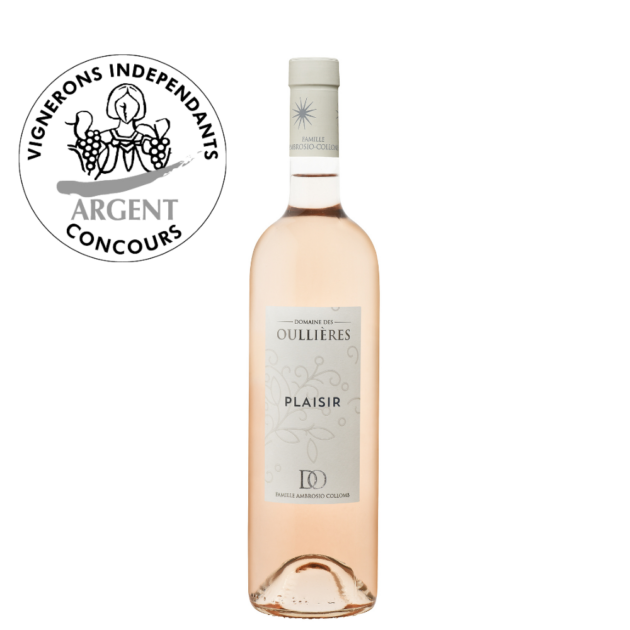
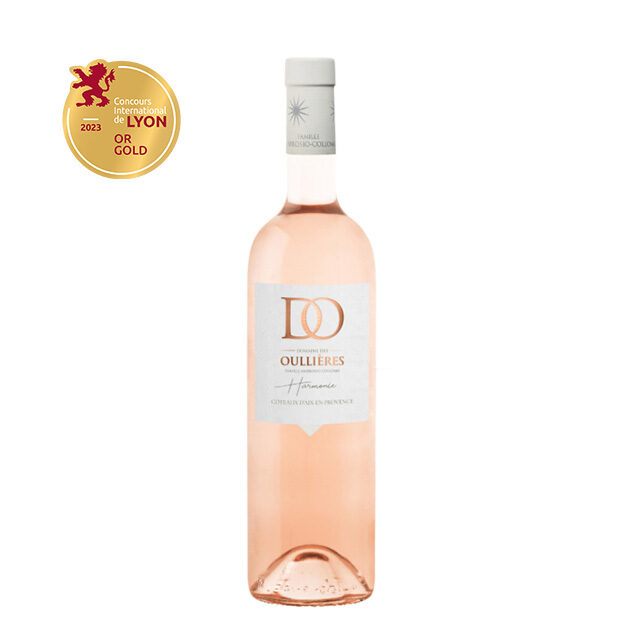
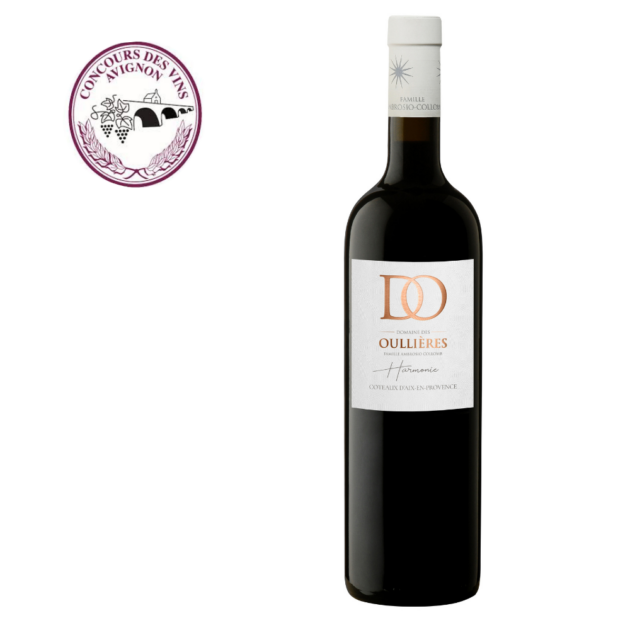
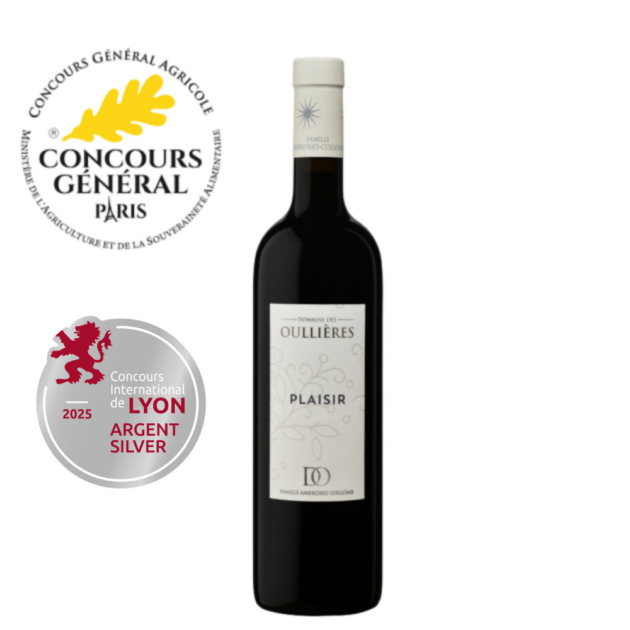
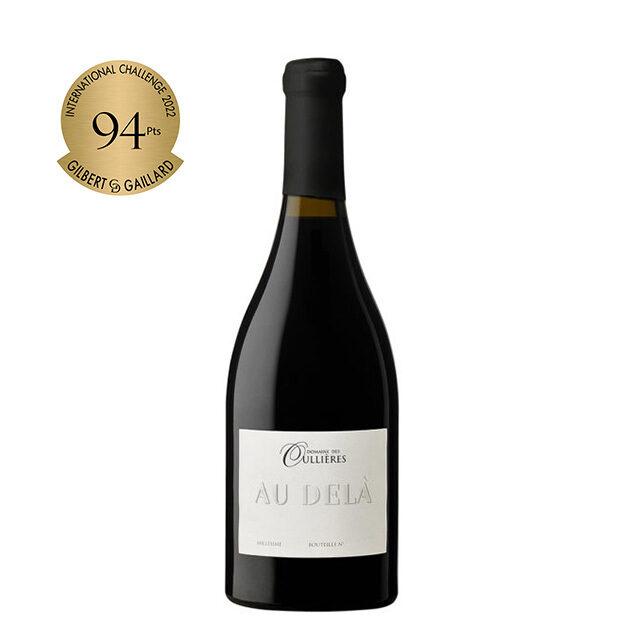
At Domaine des Oullières, each wine is created with intention. The aim is balance and pleasure, designed for sharing moments.
The approach is family-led, demanding and respectful of terroir. Wines favour harmony over excess.
In summary
Provence wine is diverse and evolving. It adapts to moments, seasons and tastes.
Understanding its terroirs and styles allows more confident choices and deeper enjoyment. Provence wine is, above all, about sharing.