Winemaking in Provence
Introduction
Winemaking is where wine truly comes to life.
It is the moment when months of work in the vineyard are transformed into something tangible, expressive and lasting. In Provence, winemaking is guided by balance, precision and a deep respect for nature.
Sun-drenched vineyards, diverse soils and a long viticultural tradition shape the wines of this region. Yet Provence winemaking is not about excess or power. It is about freshness, clarity and elegance. Understanding how wine is made here helps explain why Provence wines are so distinctive, whether red, white or rosé.
This guide offers a clear and accessible explanation of winemaking in Provence. From harvest to bottling, it explores each stage of the process and the choices that shape the final wine.
What is winemaking
Winemaking refers to all the steps involved in transforming grapes into wine.
It begins in the vineyard, at harvest time, and ends when the wine is bottled.
At its core lies alcoholic fermentation, a natural process in which yeasts convert grape sugars into alcohol. But winemaking goes far beyond chemistry. It is a series of deliberate decisions made by the winemaker, each one influencing the style, balance and personality of the wine.
In Provence, winemaking aims to reveal rather than dominate. The goal is not to force the wine into a predetermined profile, but to guide it gently so that the fruit and the terroir can express themselves fully.
The key stages of winemaking in Provence
Winemaking follows a precise sequence of stages. Each one plays a crucial role in the quality and identity of the final wine.
Harvest. The starting point of winemaking
Winemaking begins with the harvest.
Choosing the right moment to pick the grapes is one of the most important decisions of the year. Usually harvest in Provence starts in August.However, if you want to find out more about how harvest dates are determined we have a speical article on this.
In Provence, the Mediterranean climate brings abundant sunshine. While this ensures good ripeness, it also requires close attention to preserve freshness and acidity. Winemakers monitor sugar levels, acidity and flavour development before deciding when to harvest.
Grapes can be harvested mechanically or by hand. Hand harvesting allows for careful selection of bunches and is often preferred for high-quality wines. Whatever the method, speed is essential. Grapes must reach the winery quickly to preserve their integrity.
Grape reception and pressing
Once harvested, grapes arrive at the winery where they are sorted and prepared for vinification.
Damaged or underripe grapes are removed to ensure quality.
Depending on the style of wine, grapes may be destemmed to remove the stems. Pressing then extracts the juice. This step is especially important for white and rosé wines, where gentle extraction helps preserve finesse and avoid bitterness.
Fermentation. The heart of winemaking
Fermentation is the central stage of winemaking.
During this phase, yeasts transform grape sugars into alcohol and release a wide range of aromas.
Temperature control is essential. Excessive heat can damage delicate aromas, while cooler temperatures help preserve freshness and precision. In Provence, fermentation is carefully managed to maintain balance and clarity in the wine.
Red, white and rosé winemaking
Winemaking techniques vary depending on the colour of the wine.
Each style follows a distinct approach, designed to highlight fruit, structure and terroir.
Red wine winemaking
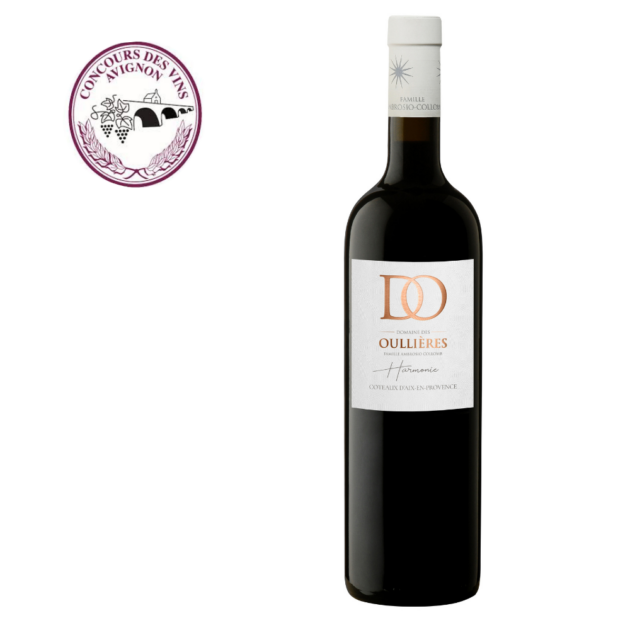
Red wine winemaking involves fermenting grape juice in contact with the skins.
This process extracts colour, tannins and aromatic compounds that give red wine its structure and depth.
The length of skin contact is carefully adjusted. Longer maceration produces more powerful wines, while shorter maceration favours softness and approachability. In Provence, red wine winemaking typically seeks elegance rather than intensity, resulting in wines that are balanced and enjoyable to drink.
Some red wines are aged in oak barrels, which add subtle complexity and texture while respecting the fruit.
White wine winemaking
White wine winemaking follows a different path.
Grapes are pressed immediately after harvest to obtain clear juice, without skin contact.
Fermentation takes place at low temperatures to preserve delicate aromas such as citrus, white flowers and stone fruit. White wines from Provence are known for their freshness, balance and aromatic clarity.
Depending on the desired style, white wines may be aged in stainless steel tanks to maintain purity, or in oak to add roundness and depth.
Rosé wine winemaking
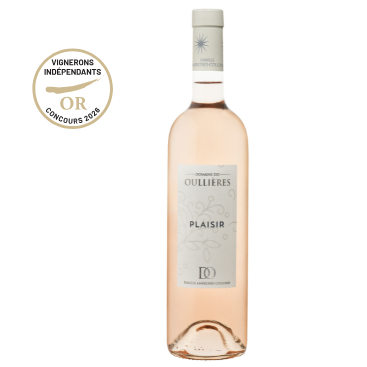
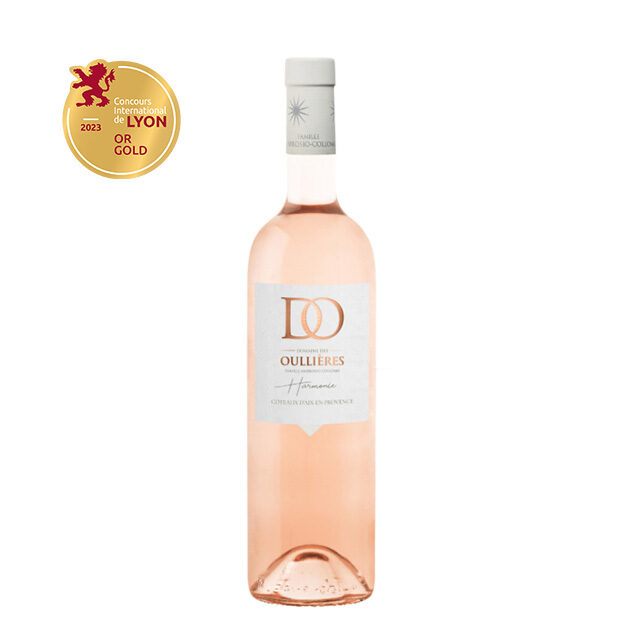
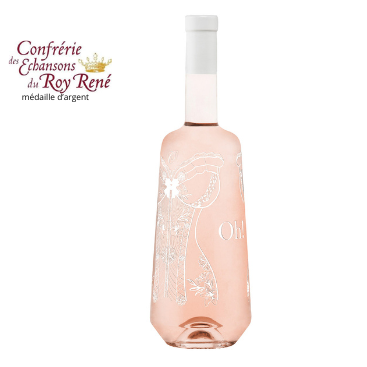
Provence is internationally renowned for its rosé wines.
Rosé winemaking requires extreme precision and careful timing.
Two main methods are used. Direct pressing and short maceration. In both cases, the juice remains in contact with the grape skins for only a short period, just long enough to obtain a pale colour and delicate aromas.
Fermentation at low temperature preserves freshness and subtle fruit notes. Provence rosé wines are prized for their elegance, lightness and refined aromatic profile.
Ageing and refinement in winemaking
After fermentation, wine enters a period of ageing.
This stage allows the wine to stabilise, soften and develop complexity.
Ageing can take place in stainless steel tanks, concrete vats or oak barrels. Each vessel influences the wine differently. Stainless steel preserves freshness. Concrete adds texture and balance. Oak barrels contribute subtle aromas and structure when used carefully.
In Provence, ageing is never meant to overpower the wine. It is a tool used to refine and harmonise, always respecting the character of the fruit and the terroir.
Clarification and bottling
Before bottling, wine is clarified and stabilised.
These steps remove suspended particles and ensure long-term stability.
Bottling marks the completion of the winemaking process. Conducted in a controlled environment, it protects the wine from oxidation and preserves its quality. From this point on, the wine continues to evolve in bottle.
Winemaking in Provence. A distinctive identity
Winemaking in Provence reflects a balance between nature and human expertise.
Sunshine, wind and diverse soils shape the grapes, while the winemaker adapts each decision to preserve freshness and elegance.
Rather than imposing a uniform style, Provence winemaking celebrates diversity and embraces the characteristics of each wine estate in Provence. Each wine reflects its origin, its vintage and the philosophy of the estate that produced it.
Understanding winemaking in Provence offers a deeper appreciation of the region’s wines. It reveals the care, precision and respect that define this timeless craft.
Conclusion
Winemaking is a living process.
In Provence, it expresses a vision of wine based on balance, clarity and respect for terroir.
From vineyard to bottle, every stage matters. Each choice shapes the wine’s identity. Behind every bottle lies a story of patience, expertise and dedication.
This is what gives Provence wines their unmistakable character and enduring appeal.